
Our mission is to make software provably safe and secure, at scale. We develop tools for precisely describing how programs should behave, and for having computers automatically check that they do. This work builds on our research in programming language design and the automatic generation of code. We are based at the School of Computing of National University of Singapore, as a part of PLSE@NUS lab.

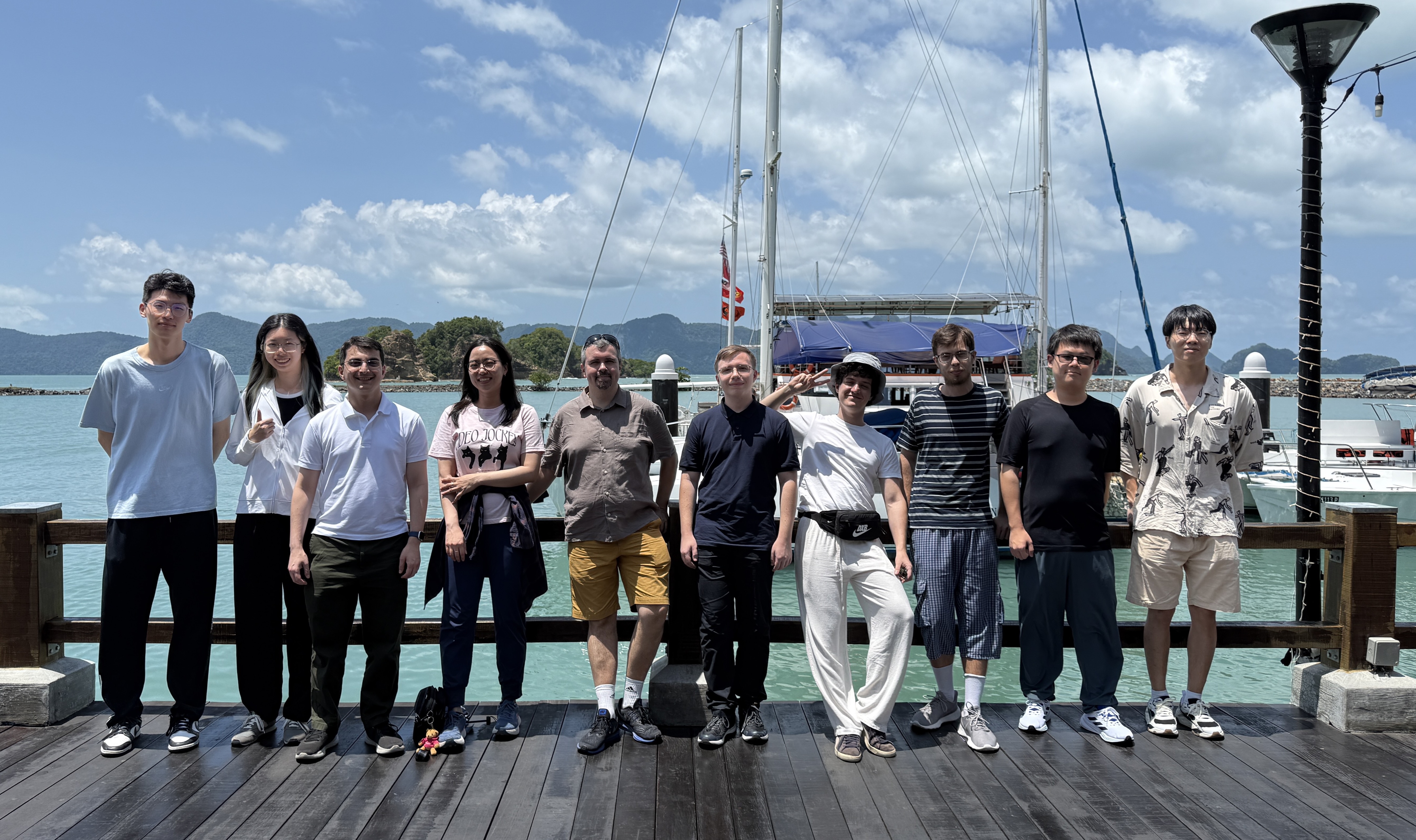
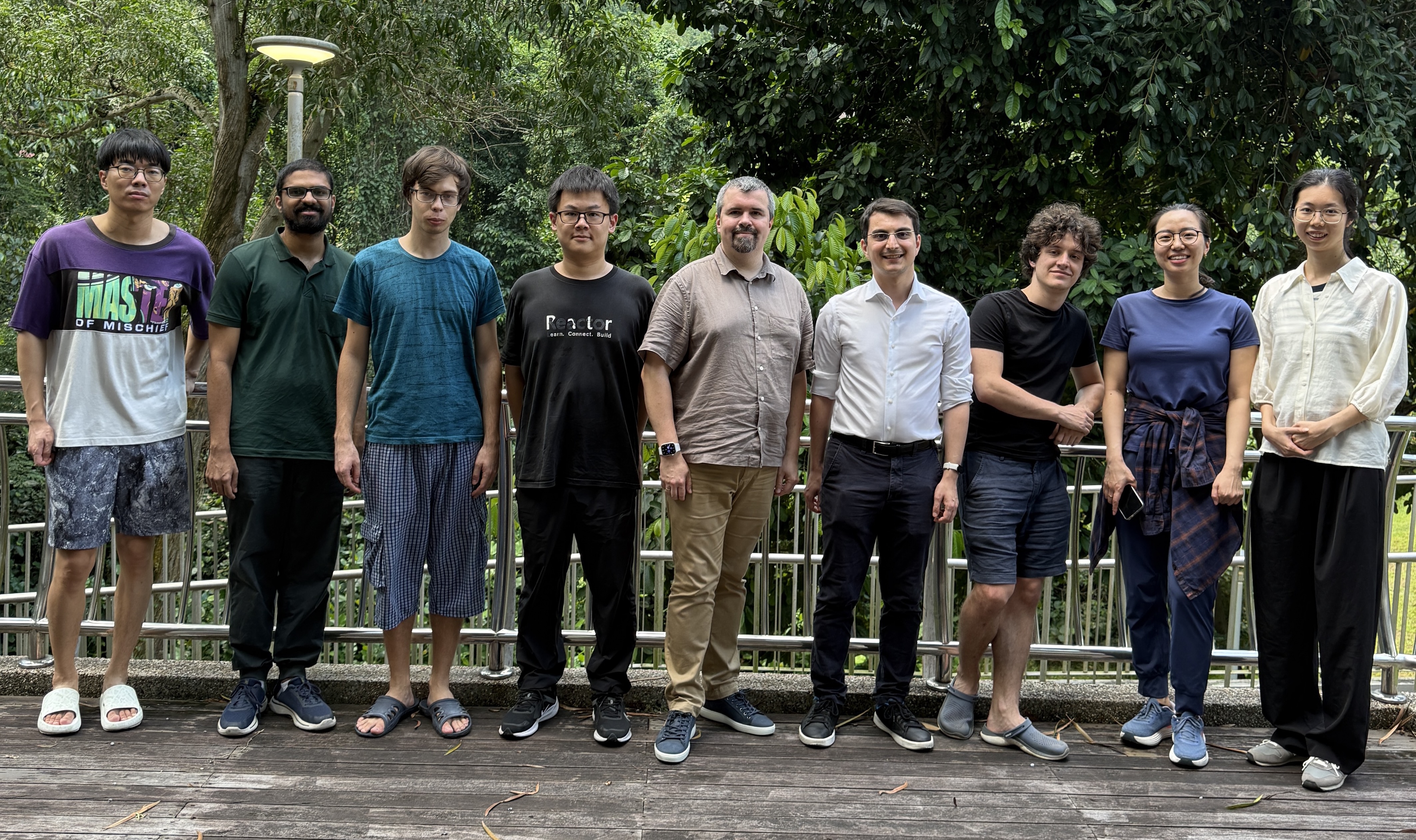
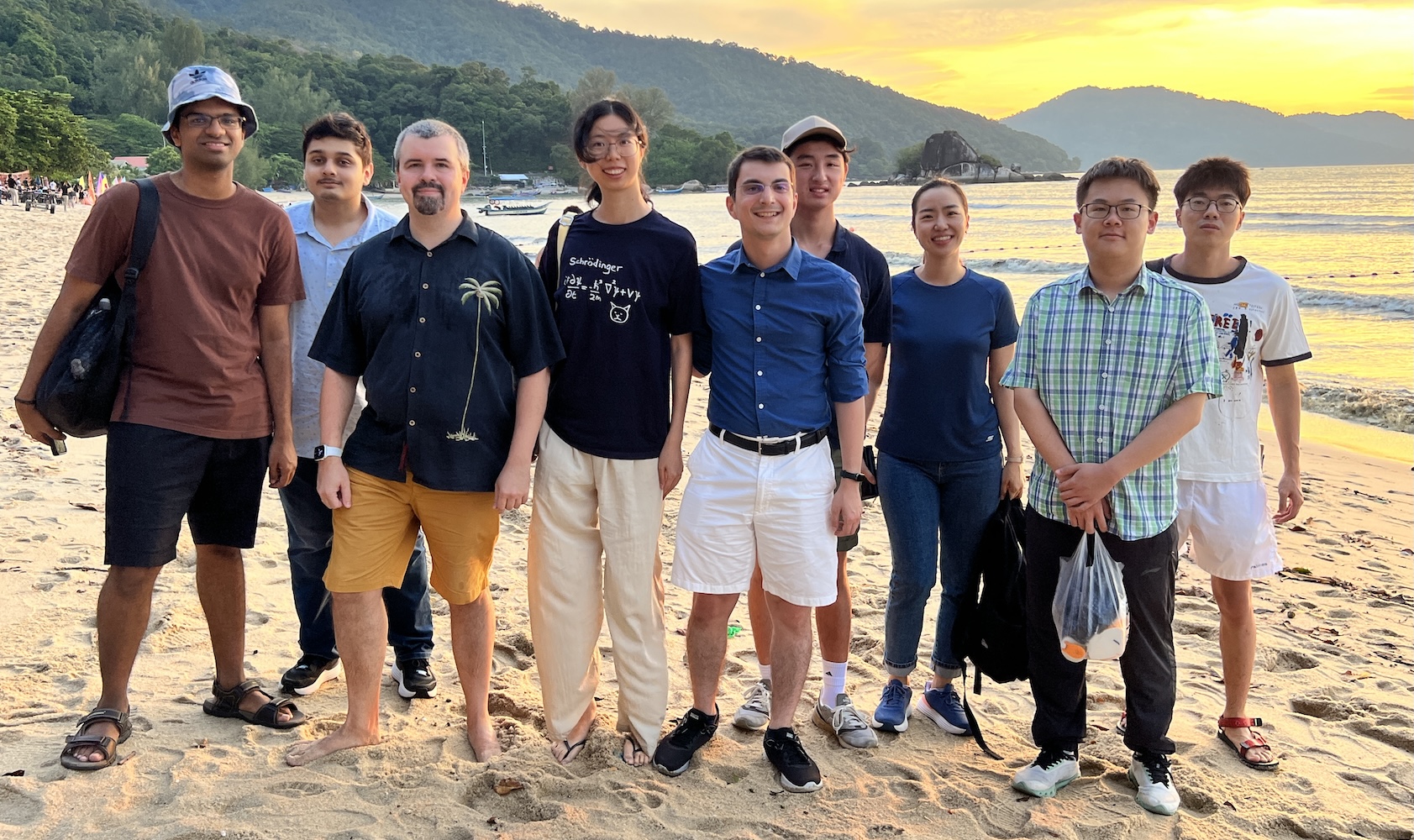
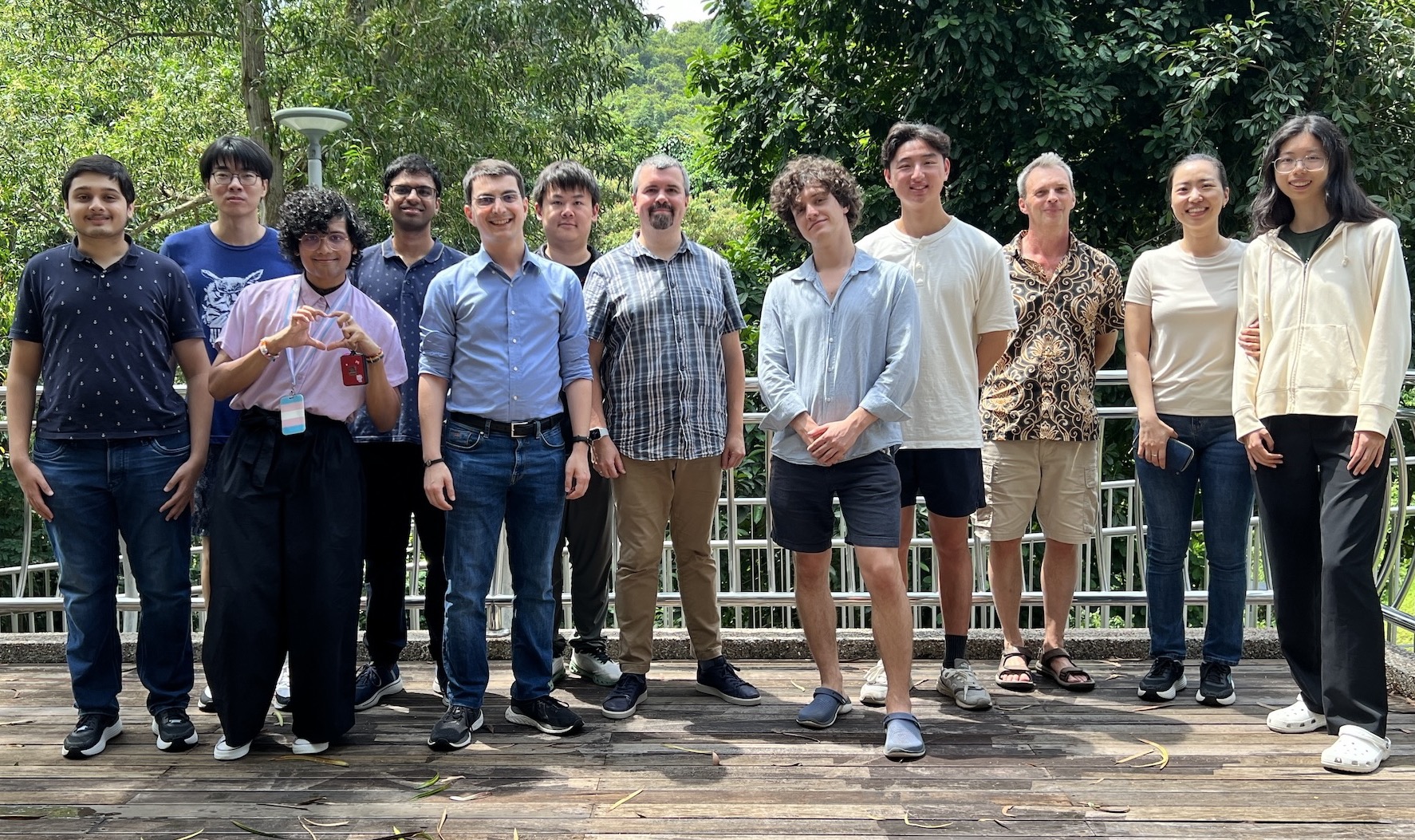
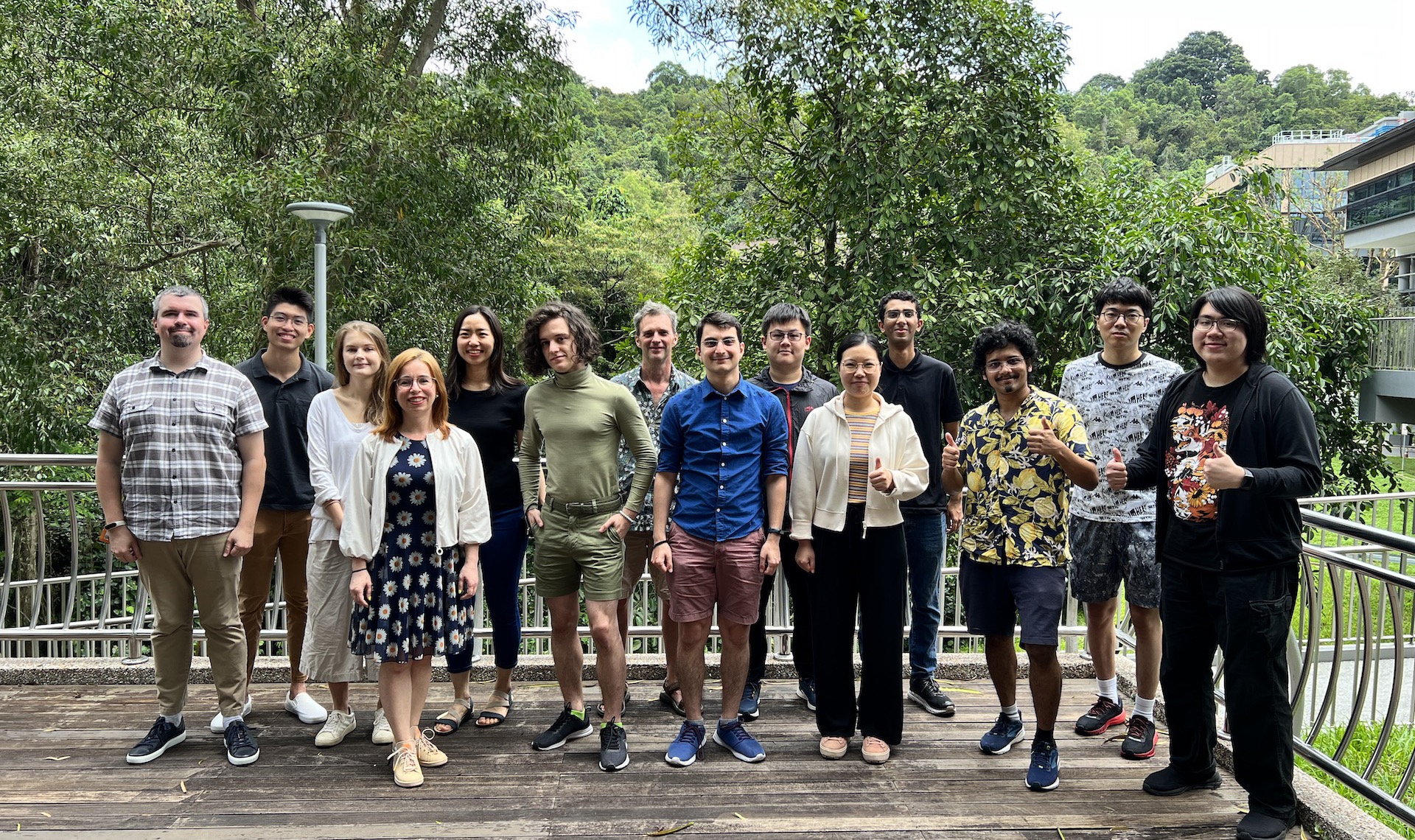
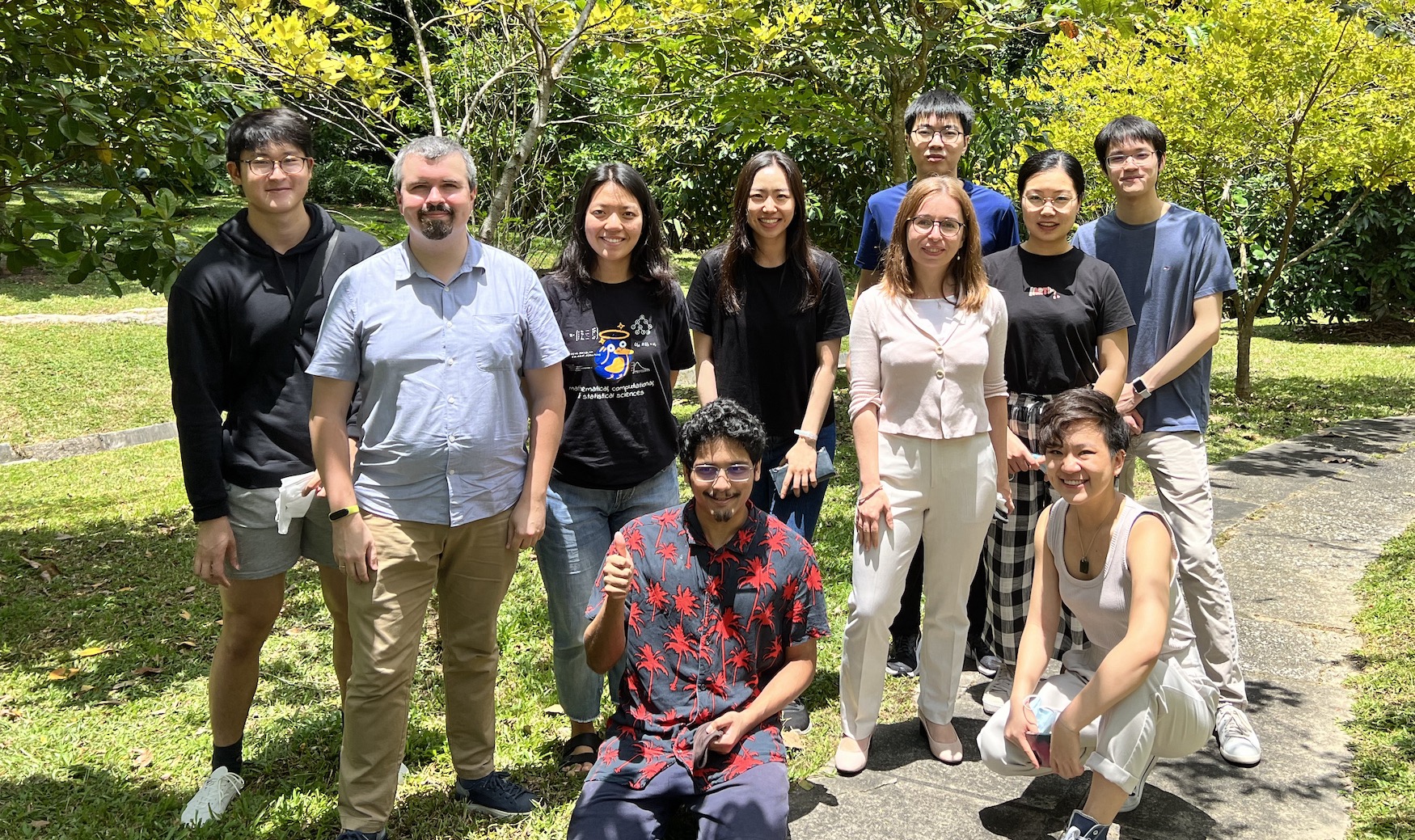
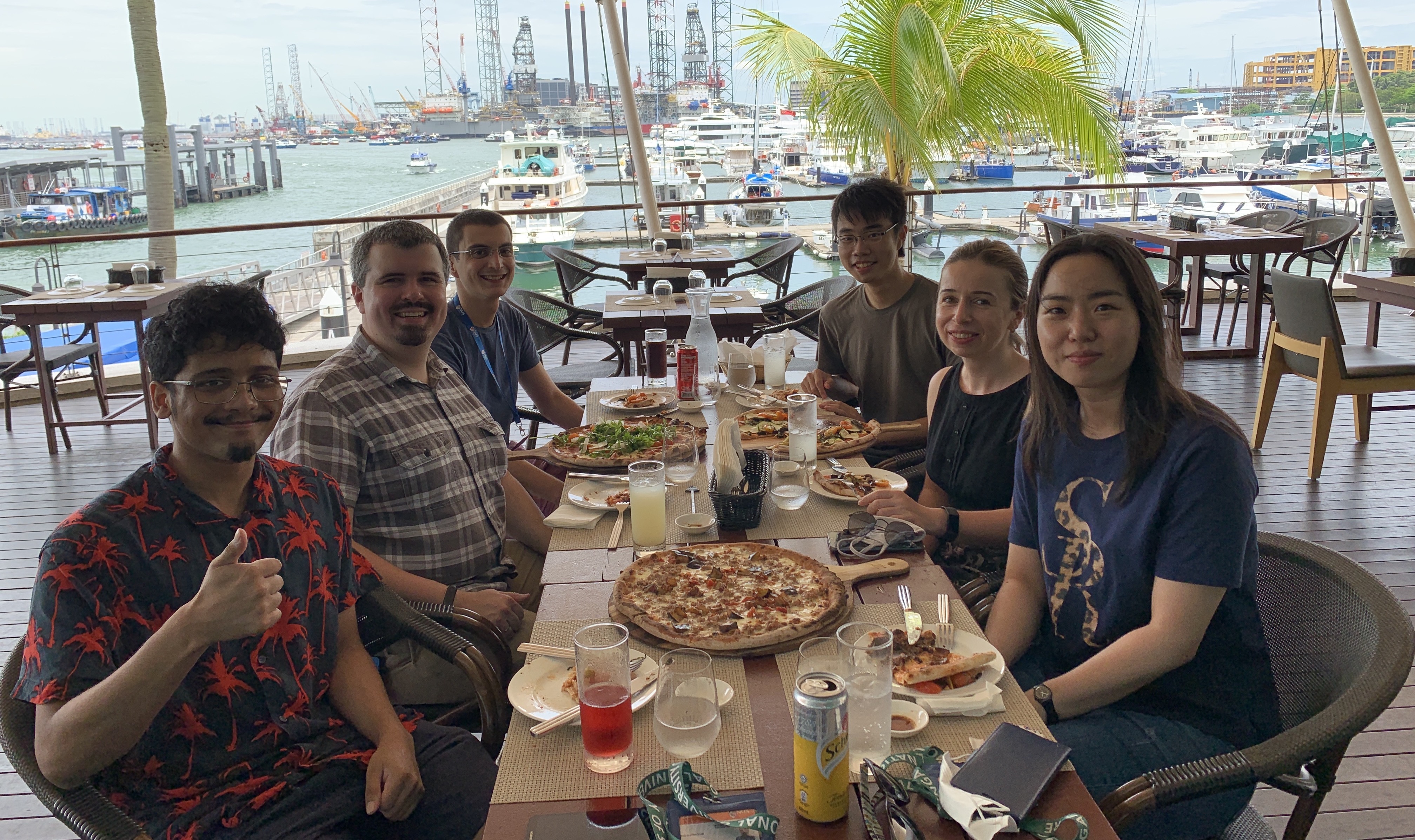
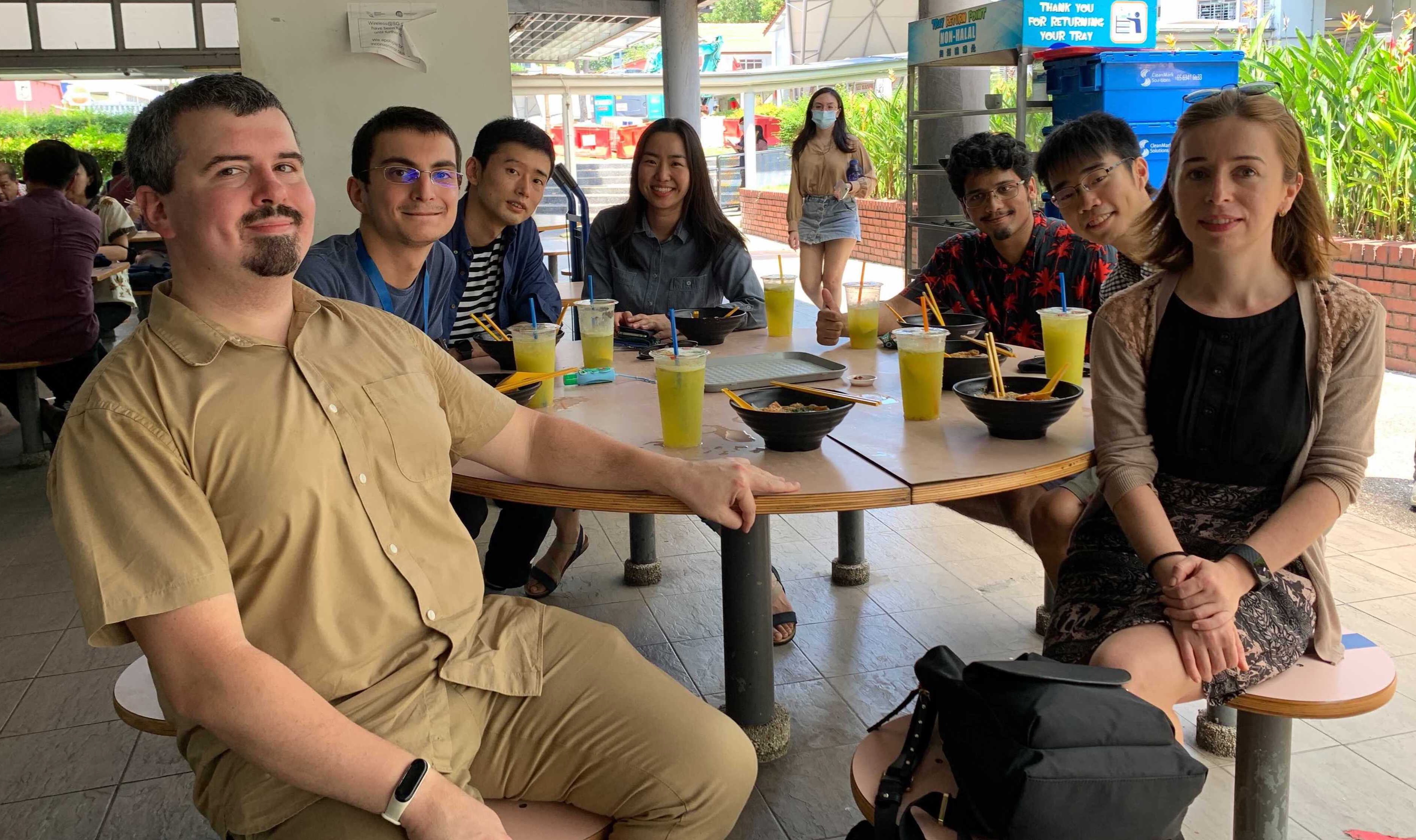
News
New release of Velvet, our multi-modal verifier for imperative programs in Lean, with new features. It now has a new website: velvetprover.dev.
Vitaly Kurin and Vasilii Nesterov join the lab as PhD students. Welcome, Vitaly and Vasilii!
Four papers from our group will appear at OOPSLA’26:
New post on Proofs and Intuitions: When the Hard Part Stops Being Hard. We discuss how AI-assisted formal verification has dramatically accelerated programming language research, enabling publication-quality work in weeks rather than months.
Our paper on certified program synthesis with a multi-modal verifier will appear at ASE’26.
New post on Proofs and Intuitions: Liveness Proofs in Veil, Part I: The First Step. We show how to formally verify a liveness property in a distributed protocol using Veil, walking through a minimal consensus example in Lean.
Our paper on lazy proof automation for separation logic will appear at ITP’26.
Recent Blog Posts
Research Themes
Most of research done in the lab currently is powered by Lean proof assistant.
Our current investigations follow the themes outlined below. For more details on our research, check out our projects, and recent papers.
Theme 1: Multi-Modal Verification in Lean
Modern software systems are too complex for any single validation technique. We build multi-modal verifiers in Lean that combine fuzz-testing and model checking with deductive proofs—both automated and interactive—across domains including imperative programs, distributed protocols, security protocols, and general-purpose languages. Along the way, we advance methodologies for testing, specification and invariant inference, and both automated and interactive verification.
Our goal is to bridge the gap between system implementations and their abstract models, producing robust, easy-to-maintain proofs.
Theme 2: Program Synthesis with Correctness Guarantees
Program synthesis automatically derives programs from declarative specifications, slashing the effort needed to produce correct-by-construction code. By marrying deductive proofs in proof assistants (Rocq, Lean) with synthesis, we have built tools that generate correct-by-construction implementations for complex tasks in mainstream languages, and that automatically synthesise data structure specifications.
We aim to synthesise provably correct, high-performance, safety-critical programs with low-effort proof automation and evolution.
Theme 3: Verified Foundations of Distributed Systems
Distributed systems power modern computing—from cloud services to blockchains—yet asynchrony, partial failures, and concurrent state transitions make their correctness notoriously hard to establish. We develop mathematical foundations for specifying and verifying distributed protocols, including consensus protocols, Byzantine fault-tolerant systems, and distributed data structures, drawing on automated reasoning, separation logic, fuzz testing, and compositional verification.
Our long-term goal is a verified software stack for distributed computing, where protocol designs ship with machine-checked proofs that carry through to executable implementations.
People
Faculty and Postdocs


Graduate Students










Interns and Research Assistants

Recent Collaborators






Software
Publications
Recent
Certified Program Synthesis with a Multi-modal Verifier
41st IEEE/ACM International Conference on Automated Software Engineering (ASE 2026). Munich, Germany, October 2026.
Tracking Borrows with Regular Expressions
41st ACM SIGPLAN Conference on Object-Oriented Programming Systems, Languages and Applications (OOPSLA 2026). Oakland, CA, USA, October 2026.
Infinitary Relational Logic
41st ACM SIGPLAN Conference on Object-Oriented Programming Systems, Languages and Applications (OOPSLA 2026). Oakland, CA, USA, October 2026.
Semi-declarative Language for Combinatorial Search
41st ACM SIGPLAN Conference on Object-Oriented Programming Systems, Languages and Applications (OOPSLA 2026). Oakland, CA, USA, October 2026.
Grammar Repair with Examples and Tree Automata
41st ACM SIGPLAN Conference on Object-Oriented Programming Systems, Languages and Applications (OOPSLA 2026). Oakland, CA, USA, October 2026.
Velvet: A Foundational Multi-Modal Verifier for Imperative Programs in Lean
38th International Conference on Computer Aided Verification (CAV 2026). Lisbon, Portugal, July 2026. Distinguished Paper Award.
Formalization of a Realistic Verification-Condition Generator for an Intermediate Verification Language
17th International Conference on Interactive Theorem Proving (ITP 2026). Lisbon, Portugal, July 2026.
Lazy Proof Automation for Separation Logic
17th International Conference on Interactive Theorem Proving (ITP 2026). Lisbon, Portugal, July 2026.
GCD: Garbled, Corrected, Demonstrandum – Fixing and Proving Go’s Extended GCD Implementation
2026 Workshop on Foundations of Computer Security (FCS 2026). Lisbon, Portugal, July 2026.
Answer Set Programming for Egg Extraction and More
EGRAPHS Workshop 2026 (co-located with PLDI 2026). Boulder, USA, June 2026.
Join Us
PhD Positions: We are actively looking for motivated PhD students (although the number of available positions in the team is limited to 1-2 per year)! Get in touch with Ilya Sergey if you want to chat about research opportunities, and apply here.
Research Internships: If you are interested in a research internship with us, please get in touch with your CV and a paragraph of text describing your specific interests in the research themes we pursue at the moment. Strong background in PL/logic/verification or systems-building is a must. Prospective internship candidates will have to complete a test verification task in Lean.
